

Wine and summer heat are a dangerous combination. A bottle that leaves your winery in perfect condition can arrive at a customer's door damaged, oxidized, or "cooked" if it spends too long in a hot delivery truck or on a sunny porch. For DTC wine programs, summer shipping is one of the biggest risk management challenges of the year.
Wine is sensitive to temperature extremes — but heat is especially damaging. At temperatures above 75°F, wine ages faster. Above 85°F, heat damage can occur within hours. At 90°F+, wine can become "cooked" — permanently altered with stewed, jammy flavors that mask the wine's true character.
The damage is usually irreversible. Unlike cold damage (which can sometimes reverse), heat damage permanently alters the wine's chemistry. A customer who opens a cooked bottle gets an experience that reflects on your winery, not the temperature in the FedEx truck.
The most effective protection is not shipping during the worst heat. Most established DTC wine programs offer temperature holds — the customer opts in, and shipments are held until temperatures cool. Many wine club members in hot climates expect this and appreciate it.
This is standard practice in the wine industry. Shipping early in the week ensures packages arrive before the weekend, preventing wine from sitting in a hot carrier facility over Saturday and Sunday. Never ship Friday — packages will sit in distribution all weekend.
For high-value wines where the cost of loss is significant, 2-day air minimizes transit time and exposure. The shipping cost is justified when you consider the cost of replacing a case of $50+ bottles.
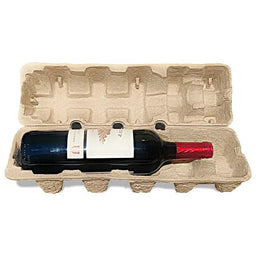
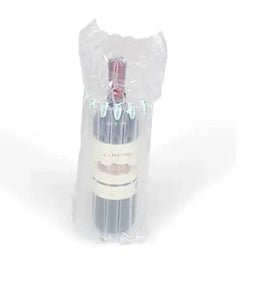
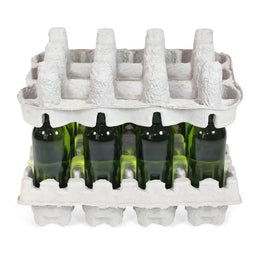
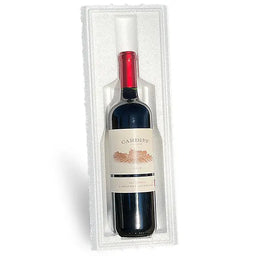
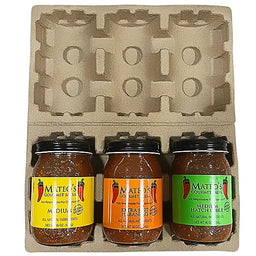
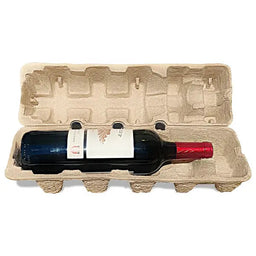
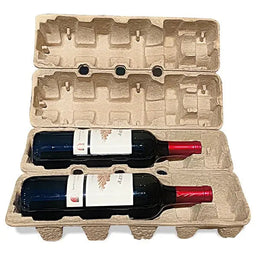
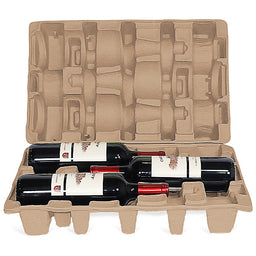
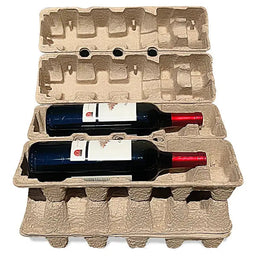
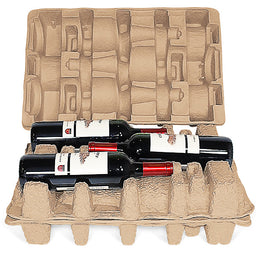
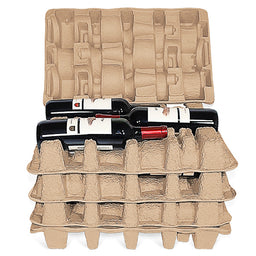
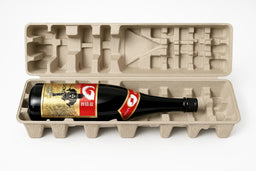
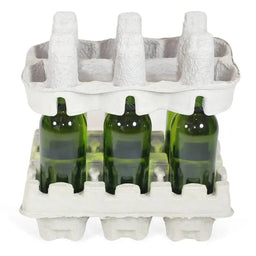
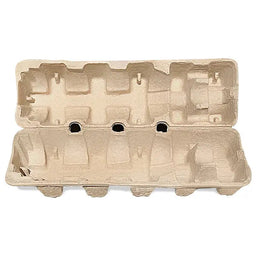
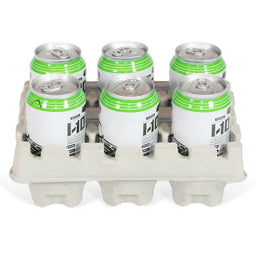
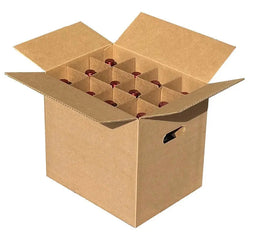
Not all wine shipping boxes provide equal thermal protection. Thick-walled molded pulp wine shippers provide better thermal buffering than thin foam alternatives — the dense fiber structure slows heat transfer. While no packaging prevents heat damage indefinitely, better insulation buys critical time during transit.
Set expectations before summer. Email your wine club members about your summer shipping policy — temperature holds, Monday-Wednesday shipping, and tracking instructions. Customers who understand what to expect are far less likely to be disappointed.
Heat damage claims are one of the most expensive line items in a DTC wine program's operating budget. A single heat-damaged case claim involves replacement wine cost, reshipping cost, and the risk of customer churn. Getting summer shipping right pays for itself many times over.
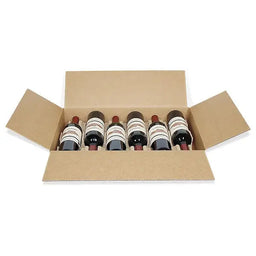
WineShippingBoxes.com supplies wineries with molded pulp wine shippers designed to protect bottles through the full transit journey — including summer heat. Lowest prices in the industry, low minimums.